 Skip to content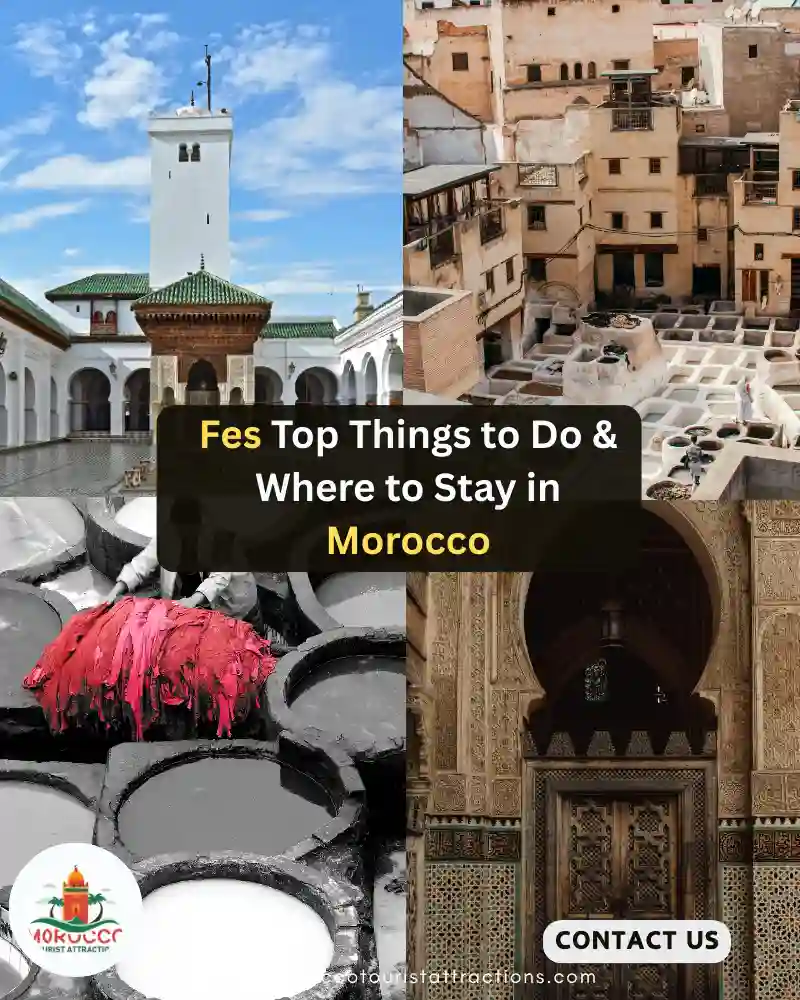
INTRODUCTION
Travel Guide & What to do in Fes (Fez) is often called the cultural soul of Morocco, home to ancient mosques, medieval streets, the world’s oldest university, and one of the largest living car-free urban areas on Earth. With more than 9,000 alleys, artisans working in centuries-old workshops, and markets overflowing with color and tradition, Fes feels like stepping back in time.
This Fes travel guide covers the city’s top attractions, best food, hidden gems, safety tips, transportation, where to stay, and essential recommendations to help you plan an unforgettable trip — whether you’re visiting for a day or a week.
1. BEST THINGS TO DO IN FES
Explore Fes el Bali (The Old Medina)
Travel guide & what to do in Fes el Bali is the heart of the city — a UNESCO World Heritage Site and one of the world’s most fascinating medinas. With its maze-like streets, traditional markets (souks), and ancient buildings, it’s the perfect place to wander, shop, and experience daily Moroccan life.
Highlights:
- Narrow medieval alleys
- Leather, pottery, metal, and carpet workshops
- Traditional bakeries using wood-fired ovens
- Local cafés overlooking the medina
Tip: It’s easy to get lost — enjoy it! GPS rarely works in the alleys.
2. Visit the Chouara Tanneries
One of the most iconic sites in Fes, the Chouara Tanneries have operated the same way for more than 1,000 years. Leatherworkers dye hides using natural ingredients like saffron, poppy, and henna.
Best time to visit: Morning, when colors are brightest.
Tip: Vendors may offer mint leaves to mask the strong smell — take them.
3. Al-Qarawiyyin University
Founded in 859 AD by Fatima al-Fihri, Al-Qarawiyyin University is recognized by UNESCO and Guinness World Records as the world’s oldest continually operating university.
You can visit:
- The library
- The courtyard (non-Muslims cannot enter the prayer hall)
Its architecture is breathtaking — white walls, green tiles, and detailed mosaics.
4. Bou Inania Madrasa
One of the few religious buildings non-Muslims may enter, the Bou Inania Madrasa is famous for its carved cedarwood, marble courtyard, and peaceful ambiance.
5. Bab Bou Jeloud (The Blue Gate)
The main entrance to the medina, this striking gate features blue mosaic tilework on one side and green tiles on the other — symbolizing knowledge and Islam.
6. Nejjarine Museum of Wooden Arts & Crafts
Located inside a restored fondouk (caravanserai), this museum showcases traditional woodworking tools, artisan products, and rooftop views over the medina.
7. Jnan Sbil Gardens
A peaceful escape near the medina with palm-lined walkways, fountains, and plenty of shade — perfect for relaxing after exploring Fes’s busy streets.
8. Mellah (Jewish Quarter)
Built in the 14th century, the Mellah features unique architecture and the restored Ibn Danan Synagogue.
2. WHAT TO EAT IN FES
1. Bissara (Fava Bean Soup)
A hearty breakfast soup popular in northern Morocco.
2. Pastilla (Chicken or Pigeon Pie)
Fes is the birthplace of pastilla, a sweet-and-salty pastry made with filo dough, almonds, sugar, and spices.
3. Rfissa
A delicious dish made with lentils, chicken, onions, and msemen (flatbread).
4. Traditional Moroccan Mint Tea
Enjoy it on a rooftop overlooking the city.
3. WHERE TO STAY IN FES
Best Areas
Fes travel guide & what to do in Fes:
- Fes el Bali: Best for culture lovers
- Fes el Jdid: Near the Mellah and royal palace
- New Town (Ville Nouvelle): Modern hotels and cafés
Recommended Accommodation Types
- Riads with rooftop terraces
- Boutique hotels in restored mansions
- Budget hostels inside the medina
4. HOW TO GET TO FES
By Air
Fes-Saïss Airport (FEZ) connects to:
- Paris
- Madrid
- Barcelona
- London
- Domestic Moroccan cities
By Train
Trains connect Fes with:
- Casablanca
- Rabat
- Tangier
- Marrakech
By Bus
CTM and Supratours operate modern, comfortable buses.
5. SAFETY & TRAVEL TIPS
- Fes is generally safe, even in the medina.
- Avoid unofficial guides; always choose licensed ones.
- Dress modestly, especially in religious areas.
- Keep small bills for taxis and souks.
- Negotiate prices, but stay friendly.
“Travel in Morocco: Top Destinations, Things to Do & Travel Tips”
“Chefchaouen Travel Guide”
“Explore Top 15 Cities to Visit In Morocco“
“Morocco 10-Day Travel Itinerary from Casablanca Guide“
“Top 10 Must-See Cities in Morocco for First-Time Visitors”
“The 5 Things to Keep in Mind Before Traveling to Morocco“
6. FAQ
1. Is Fes worth visiting?
Yes! Fes is Morocco’s cultural capital with one of the world’s most authentic and historic medinas.
2. How many days do you need in Fes?
2–3 days is perfect to explore the medina, tanneries, museums, and nearby attractions.
3. What is Fes best known for?
Its ancient medina, leather tanneries, Al-Qarawiyyin University, and maze-like souks.
4. Is Fes safe for tourists?
Yes, Fes is safe. Stick to busy streets at night and avoid unofficial guides.
5. What is the best time to visit Fes?
March–May and September–November offer the best weather.
6. How to get around Fes?
Walking, petit taxis, and guided tours are the best options.
7. Where should I stay in Fes?
Riads in Fes el Bali offer the most authentic experience.
8. What food is Fes famous for?
Pastilla, bissara, tagines, couscous, and mint tea.
9. Are the tanneries in Fes worth visiting?
Absolutely — they are one of the most iconic attractions in Morocco.
10. Can you visit Al-Qarawiyyin University?
Non-Muslims cannot enter the prayer hall but can view the courtyard and library.
11. Do you need a guide for Fes?
Not required, but recommended for first-time visitors.
12. How much does a guide cost in Fes?
Licensed guides usually charge $20–$40 for half-day tours.
13. Is Fes expensive?
Fes is affordable; food and accommodation are cheaper than in Marrakech.
14. What should I buy in Fes?
Leather goods, ceramic pottery, carpets, spices, and woodcraft.
15. Is the Fes medina difficult to navigate?
Yes — expect to get lost, which is part of the experience!
