 Skip to content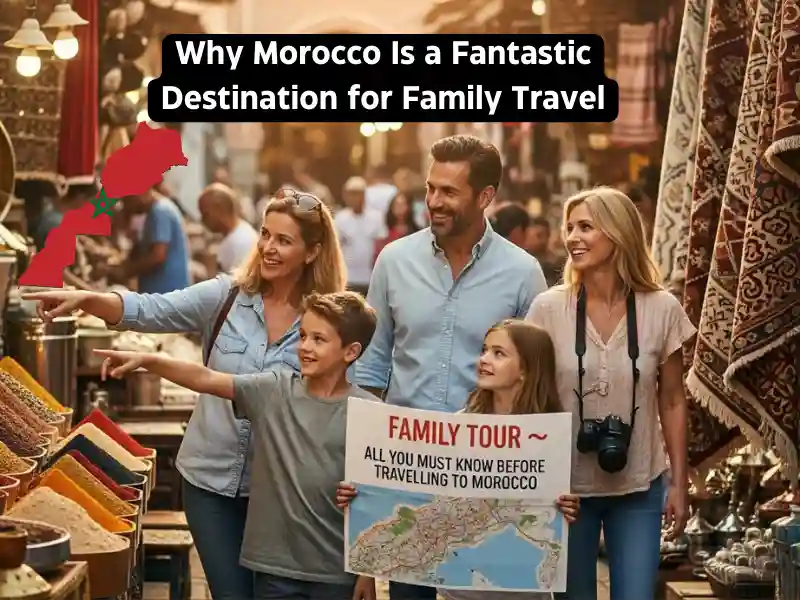
Why Morocco Is a Fantastic Destination for Family Travel
Traveling with family can sometimes feel like a puzzle—trying to find a destination that excites adults while keeping children entertained. Morocco manages to do both effortlessly. This North African gem is filled with colorful markets, dramatic landscapes, camel rides across golden dunes, and centuries-old cities that feel like stepping into a storybook. For families looking for a destination that blends adventure, culture, and comfort, Morocco is often an underrated yet unforgettable choice.
One of the most captivating aspects of Morocco is its rich sensory experience. Imagine walking through a lively souk where the air smells of cinnamon and saffron, street musicians play traditional instruments, and lanterns glow like tiny suns hanging from shop ceilings. For children, these environments feel like a real-life treasure hunt. Every corner offers something unexpected—colorful rugs, hand-painted ceramics, or freshly baked bread coming straight from a clay oven.
Families also appreciate Morocco because it offers variety within short travel distances. Within a single trip, you can explore bustling imperial cities, relax in coastal towns, hike in the Atlas Mountains, and sleep beneath the stars in the Sahara Desert. Few destinations provide such diverse experiences in one country.
Another reason Morocco works well for families is the strong tradition of hospitality. Moroccan culture places high value on welcoming guests. It’s common for locals to greet travelers warmly or offer mint tea as a gesture of friendliness. Children, in particular, often receive extra attention and smiles from locals.
According to tourism data from Morocco’s Ministry of Tourism, the country welcomed over 14 million visitors annually before global travel disruptions, with family tourism making up a significant portion. Many tour operators now design itineraries specifically for families, including guided medina walks, cooking classes, and desert excursions.
Traveling in Morocco with family isn’t just a vacation—it’s an immersive learning experience. Kids can discover ancient civilizations, see traditional craftsmanship, and understand how cultures blend African, Arab, and European influences. In a world dominated by screens, Morocco offers something refreshingly real: a destination that sparks curiosity and wonder for every age group.
Cultural Diversity That Fascinates Both Kids and Adults
Morocco feels like several cultures woven together into a vibrant tapestry. This diversity is exactly what makes it so fascinating for families traveling together. Instead of visiting a place that feels predictable, Morocco constantly surprises you with its mix of Arab, Berber, African, and European influences.
Walking through Moroccan cities is like exploring living history. In places such as Fes and Marrakech, ancient medinas still operate much as they did hundreds of years ago. Narrow alleyways twist like mazes, donkey carts carry goods through crowded markets, and craftsmen use techniques passed down through generations. Kids often find these environments far more exciting than typical tourist attractions because they feel authentic and alive.
Language itself becomes part of the adventure. Morocco has several commonly spoken languages, including Arabic, Berber dialects, French, and increasingly English. Children quickly notice how people switch between languages during conversations. It’s a subtle but powerful way to show how interconnected the world really is.
Food also reflects Morocco’s cultural blend. A simple meal might include Berber couscous, Arab spices, Andalusian cooking styles, and French pastries all on the same table. For families who enjoy culinary experiences, this creates an opportunity to introduce kids to new flavors without overwhelming them.
Festivals and traditions add another layer of cultural discovery. Depending on the time of year, travelers might encounter music festivals, traditional wedding celebrations, or Ramadan evening markets filled with energy and delicious street food. These moments help children see how cultural traditions shape daily life.
UNESCO has recognized several Moroccan sites as World Heritage locations, including the Medina of Fes, Ait Benhaddou, and the historic city of Meknes. Visiting these places is like opening a living history book. Instead of reading about ancient trade routes, families can walk through the same streets once used by merchants crossing the Sahara.
Experiencing Morocco’s cultural diversity together can spark conversations that last long after the trip ends. Children begin to understand how traditions evolve, how people from different backgrounds live, and how history influences the present. Few travel experiences provide that level of perspective in such an engaging way.
Safe and Welcoming Atmosphere for Families
Safety is usually the first concern parents think about when planning international travel. Morocco often surprises visitors with how welcoming and family-oriented the culture feels. While every destination requires basic awareness, Morocco is widely considered one of the more stable and tourist-friendly countries in North Africa.
Moroccan society places great importance on family values. Children are deeply respected, and it’s common to see multi-generational families spending time together in parks, markets, and cafes. Because of this cultural mindset, visiting families frequently feel comfortable bringing their kids along during daily activities.
In major tourist destinations such as Marrakech, Casablanca, and Rabat, security presence is noticeable but not intrusive. Tourism is a crucial part of Morocco’s economy, so authorities prioritize maintaining a safe environment for visitors. According to global travel safety rankings, Morocco consistently performs better than many destinations with similar tourism numbers.
Parents traveling with children often notice small gestures of kindness from locals. Shopkeepers might offer kids a small sweet, restaurant owners may adjust spice levels for younger diners, and guides are usually happy to slow down tours when families need extra time. These small moments create an atmosphere where visitors feel genuinely welcome rather than simply tolerated.
Guided tours can add an extra layer of comfort, especially in the busy medinas where navigation can feel overwhelming at first. Local guides help families understand cultural etiquette, avoid common tourist scams, and discover hidden gems that might otherwise go unnoticed.
Of course, common-sense travel habits still apply. Families should keep valuables secure, stay aware in crowded markets, and choose reputable transportation providers. These precautions are similar to what travelers would practice in any major city worldwide.
Many parents report that their children remember Morocco not just for the landscapes or attractions, but for the friendliness of the people they met along the way. That sense of hospitality turns what could be a stressful trip into a relaxed and enjoyable adventure for everyone involved.
Best Time to Visit Morocco with Family
Planning the timing of your Morocco family tour can make the difference between a comfortable adventure and a trip that feels unnecessarily exhausting. Morocco is a geographically diverse country with mountains, deserts, and coastal regions, which means weather conditions vary dramatically depending on where and when you travel. For families, especially those traveling with children or elderly relatives, choosing the right season is one of the most important decisions before booking flights.
Unlike many European destinations with predictable weather patterns, Morocco’s climate can shift quickly between regions. You might experience snow in the Atlas Mountains, mild coastal breezes in Essaouira, and intense desert heat in the Sahara all within the same week. Understanding these seasonal changes helps families design an itinerary that keeps everyone comfortable while still allowing plenty of exploration.
Spring and autumn generally provide the best balance for family travel. During these months, daytime temperatures remain pleasant for walking tours, camel rides, and sightseeing in historic medinas. Kids can enjoy outdoor adventures without struggling through extreme heat, and parents won’t need to constantly plan indoor breaks.
Summer, on the other hand, can be intense in inland cities such as Marrakech and Fes, where temperatures sometimes exceed 40°C (104°F). While coastal cities remain cooler, sightseeing with young children during peak heat can be challenging. Winter offers cooler temperatures but may bring chilly nights, especially in the desert and mountainous regions.
Another factor families often overlook is the timing of religious holidays such as Ramadan. During this month, many restaurants operate limited daytime hours, and local routines shift significantly. While evenings become lively with festive meals and markets, daytime sightseeing can feel quieter.
Tourism data from Morocco’s National Tourism Office shows that April–May and September–October attract the highest number of family travelers due to the comfortable climate. These periods allow visitors to explore both cities and natural landscapes without extreme conditions.
Choosing the right season helps ensure your family spends less time worrying about the weather and more time enjoying Morocco’s vibrant culture, beautiful landscapes, and unforgettable experiences.
Understanding Morocco Seasonal Weather
Morocco’s climate is influenced by both the Atlantic Ocean and the Sahara Desert, creating four distinct travel seasons. For families planning a tour, understanding these seasonal patterns helps avoid surprises and ensures the trip remains enjoyable for everyone.
Spring, which runs roughly from March to May, is widely considered one of the best seasons for exploring Morocco. During this time, the countryside turns lush and green, especially in the Atlas Mountain valleys. Temperatures usually range between 18°C and 28°C (64°F to 82°F), making it comfortable for walking tours, hiking, and exploring historical sites. Families often find this season perfect because children can stay active outdoors without extreme temperatures.
Summer brings intense heat to inland cities. Marrakech and Fes often experience temperatures above 38°C (100°F) during July and August. While the heat can be overwhelming in crowded medinas, coastal towns like Essaouira and Agadir remain significantly cooler thanks to ocean breezes. Families who visit during summer often adjust their schedules—exploring early in the morning, resting during midday heat, and heading out again in the evening.
Autumn, from September to November, is another excellent travel window. The summer heat gradually fades, and temperatures become comfortable again across most regions. Desert excursions are particularly enjoyable during autumn because the evenings are cool without becoming uncomfortably cold.
Winter in Morocco, spanning December through February, surprises many visitors. While coastal areas remain mild, the Atlas Mountains receive snowfall, turning certain regions into unexpected winter landscapes. Desert nights can drop close to 0°C (32°F), which means families need to pack warm clothing even if daytime temperatures feel pleasant.
Each season offers unique experiences. The key is simply matching your family’s comfort level with the climate conditions of your chosen destinations.
Ideal Months for Comfortable Family Exploration
If you ask experienced travelers or local tour guides about the perfect months for a Morocco family trip, you’ll hear a consistent answer: April, May, September, and October. These months strike the ideal balance between pleasant temperatures, manageable tourist crowds, and excellent sightseeing conditions.
During April and May, Morocco enters a vibrant period when landscapes bloom with wildflowers and mountain valleys look especially scenic. Cities like Marrakech feel lively without being overwhelming, and families can explore the bustling souks without dealing with extreme heat. Outdoor activities such as Atlas Mountain hikes, desert camel rides, and coastal visits become far more enjoyable during these moderate conditions.
September and October provide similar advantages. The intense summer heat begins to fade, yet the country still enjoys long sunny days. Desert trips become particularly comfortable, with daytime temperatures warm enough for exploration and evenings cool enough for relaxing under the stars.
Traveling during these months also improves the overall sightseeing experience for children. Long walking tours through historic medinas or visits to ancient kasbahs can be tiring in extreme heat. Moderate weather helps maintain energy levels and keeps the mood positive throughout the trip.
Another benefit of these shoulder seasons is balanced tourism flow. Peak summer months attract large crowds, especially in popular destinations like Marrakech Jemaa el-Fnaa square. Visiting during April, May, September, or October allows families to enjoy the same attractions with slightly fewer crowds and shorter waiting times.
Families who prioritize comfort, flexibility, and enjoyable outdoor exploration will find these months ideal. The weather supports a wide range of activities—from wandering ancient cities to riding camels across golden desert dunes—without the stress that extreme temperatures sometimes bring.
Entry Requirements and Travel Documents
Before packing suitcases and planning camel rides in the Sahara, families must make sure their travel documents and entry requirements are properly arranged. Morocco maintains relatively straightforward entry policies for many international travelers, but preparation remains essential to avoid last-minute complications at the airport.
Most visitors need a passport valid for at least six months beyond the travel date. Immigration officials may also ask for proof of onward travel, such as a return flight ticket. Families traveling with children should ensure that every member, including infants, has their own valid passport.
Visa policies depend on nationality. Travelers from countries such as the United States, United Kingdom, Canada, Australia, and many European nations can usually enter Morocco visa-free for stays up to 90 days. However, visitors from certain countries must apply for a visa before arrival. Checking Morocco’s official embassy website well in advance is always the safest approach.
Parents traveling with children should also carry additional documents if necessary. For example, if one parent is traveling alone with a child, some airlines recommend carrying a consent letter from the other parent to avoid any legal complications during border checks.
Health preparations are another important part of travel readiness. While Morocco does not require most vaccinations for entry, health organizations such as the World Health Organization (WHO) recommend routine vaccines like hepatitis A, typhoid, and standard childhood immunizations. Travel insurance is also highly recommended, especially for families planning desert excursions or mountain trips.
Preparing documents early eliminates unnecessary stress once the journey begins. With passports ready, insurance arranged, and entry requirements confirmed, families can focus on the exciting part—discovering Morocco’s vibrant culture, breathtaking landscapes, and unforgettable experiences together.
Visa Policies and Passport Rules
Morocco’s visa policies are designed to encourage tourism, which is why many travelers find the entry process relatively simple. Still, understanding the exact requirements beforehand helps families avoid surprises that could disrupt their travel plans.
For citizens of over 70 countries, Morocco offers visa-free entry for tourism purposes. Visitors from the United States, most of Europe, Japan, and several other regions can stay in Morocco for up to 90 days without a visa. This policy makes Morocco one of the more accessible destinations for international family travel.
The most important requirement is passport validity. Moroccan immigration authorities typically require that passports remain valid for at least six months beyond the date of entry. Passports should also have at least one blank page for entry stamps.
Families traveling with children should double-check passport expiration dates long before booking flights. Renewing a passport for a child sometimes takes longer than expected, especially during busy travel seasons.
Travelers may also be asked to provide:
- A return or onward flight ticket
- Proof of accommodation (hotel booking or tour reservation)
- Sufficient funds for the duration of the trip
These checks are not always enforced strictly, but it’s best to have documentation ready just in case.
For visitors who do require visas, Morocco has increasingly introduced online e-visa systems that simplify the process. Applications can often be submitted digitally, with approvals arriving via email within a few days.
With passports prepared and visa requirements confirmed, families can approach their Morocco trip with confidence, knowing the administrative details are handled well in advance.
Travel Insurance and Health Preparations
Travel insurance might not sound exciting when planning a family vacation, but it quickly becomes one of the most valuable safety nets during international travel. In Morocco, where many adventures include desert trips, mountain excursions, and bustling urban exploration, having comprehensive travel insurance provides peace of mind for families.
A good insurance policy should cover several key areas: medical emergencies, trip cancellations, lost luggage, and evacuation services if necessary. While Morocco has modern hospitals in major cities like Casablanca, Rabat, and Marrakech, rural areas and desert regions may have limited medical facilities. Insurance ensures that families can access quality care without worrying about unexpected costs.
Health preparations also play a role in ensuring a smooth trip. Morocco generally does not require specific vaccinations for entry, but health experts often recommend protection against hepatitis A, typhoid, and routine childhood diseases. These vaccines are common travel precautions and can be discussed with a healthcare provider before departure.
Another practical tip for families is bringing a small travel medical kit. Items such as basic medications, motion sickness tablets, antiseptic wipes, and sunscreen can be incredibly useful, especially when traveling through remote areas.
Hydration and food safety are also worth considering. Drinking bottled or filtered water is widely recommended, and most hotels and restaurants cater well to international travelers. Teaching children simple habits—like washing hands frequently and avoiding untreated tap water—helps prevent minor illnesses during the trip.
With proper preparation, health concerns rarely interfere with travel experiences in Morocco. Families who plan ahead can focus on enjoying the adventure rather than worrying about unexpected situations.
Top Family-Friendly Cities and Destinations in Morocco
Morocco is a country where every region feels like a completely different adventure. For families, this diversity is a huge advantage because it allows a single trip to combine history, nature, culture, and outdoor activities. Instead of spending an entire vacation doing the same type of sightseeing, families can experience ancient cities, mountain villages, seaside towns, and vast desert landscapes within a relatively short distance.
The country is divided into several regions, each offering its own unique personality. Cities such as Marrakech and Fes provide vibrant cultural immersion, while places like Chefchaouen and Essaouira offer slower, more relaxed atmospheres that are perfect for families who want to balance adventure with downtime. Then there is the Sahara Desert, which many travelers consider the highlight of their Moroccan journey.
What makes Morocco particularly appealing for families is how interactive these destinations can be. Kids can watch artisans crafting leather or pottery, learn how traditional Moroccan bread is baked, ride camels across sand dunes, or explore colorful markets that feel like a giant treasure hunt. Unlike some destinations where museums dominate the itinerary, Morocco turns everyday life into a cultural experience.
Distances between major destinations are also manageable. For example, traveling from Marrakech to the Atlas Mountains takes roughly one to two hours, while reaching the Sahara Desert from cities like Fes or Marrakech typically takes one overnight journey. Many tour operators offer multi-day itineraries designed specifically for families, combining city exploration with nature experiences.
Below is a quick comparison of several destinations families commonly include in their Morocco itinerary:
| Destination | Best For | Family Activities |
|---|---|---|
| Marrakech | Culture & markets | Souks, gardens, cooking classes |
| Chefchaouen | Relaxed exploration | Photography walks, nature hikes |
| Sahara Desert | Adventure | Camel trekking, desert camping |
| Fes | History & tradition | Medina tours, artisan workshops |
| Essaouira | Coastal relaxation | Beach walks, seafood dining |
Choosing the right mix of destinations allows families to create a balanced travel experience—one that includes excitement, education, and moments of relaxation along the way.
Marrakech: The Vibrant Heart of Morocco
Marrakech is often the first city travelers visit in Morocco, and it’s easy to see why. The city pulses with energy, color, and life, making it an exciting place for families to begin their Moroccan adventure. Known as the “Red City” because of its terracotta-colored buildings, Marrakech blends ancient history with lively modern culture.
At the center of the city lies Jemaa el-Fnaa, a large square that transforms throughout the day. During daylight hours, families will see juice vendors, street performers, and market stalls selling handmade goods. When evening arrives, the square becomes a bustling open-air food market where locals and travelers gather to enjoy grilled meats, fresh bread, and traditional Moroccan dishes. For children, the atmosphere feels almost like a festival.
Another family-friendly highlight is the Majorelle Garden, a peaceful botanical garden once owned by fashion designer Yves Saint Laurent. The vibrant blue buildings and exotic plants create a calm environment that contrasts with the busy medina streets. It’s an excellent place for families to relax while still enjoying beautiful surroundings.
Exploring the Marrakech Medina, a UNESCO World Heritage site, can feel like navigating a maze of narrow alleyways filled with shops and artisans. Families often enjoy watching craftsmen create leather goods, lanterns, and carpets by hand. It’s an opportunity for children to see traditional craftsmanship that has existed for centuries.
Cooking classes are another popular activity. Many riads and culinary schools offer family-friendly Moroccan cooking workshops, where kids can learn to prepare dishes like tagine or Moroccan bread. These classes turn cultural learning into a fun, hands-on experience.
Despite its busy atmosphere, Marrakech offers plenty of comfortable accommodations and guided tours designed for families. With the right planning, the city becomes an exciting introduction to Moroccan culture rather than an overwhelming experience.
Chefchaouen: The Blue Pearl
Hidden in the Rif Mountains of northern Morocco, Chefchaouen feels like stepping into a dream painted entirely in shades of blue. The city is famous for its blue-washed buildings and narrow cobblestone streets, which create one of the most photogenic environments in the world. For families looking for a slower pace after the busy energy of cities like Marrakech, Chefchaouen offers a refreshing change.
The origins of the blue color are debated, but many locals say the tradition was introduced by Jewish communities centuries ago as a symbol of spirituality and peace. Today, the entire town embraces this unique identity, with homes, staircases, and alleyways painted in varying shades of blue.
Families often enjoy simply wandering through the old medina, where every corner offers a new photo opportunity. Unlike the crowded markets of larger cities, Chefchaouen’s streets are calmer and easier to navigate with children. Small artisan shops sell handmade blankets, woven baskets, and colorful pottery, allowing families to shop without feeling rushed.
Nature lovers will also find plenty to explore nearby. The surrounding Rif Mountains offer scenic hiking trails suitable for families with older children. One popular spot is the Akchour Waterfalls, located about 45 minutes from the town. The hike to the waterfalls passes through beautiful mountain scenery and makes for a memorable outdoor adventure.
Local restaurants often feature outdoor terraces where families can relax while enjoying traditional Moroccan dishes. Many travelers say Chefchaouen feels less commercialized than other tourist destinations, which helps visitors experience a more authentic side of Moroccan life.
For children especially, the town feels like a magical labyrinth. Every alleyway reveals a new shade of blue, a hidden staircase, or a friendly cat lounging in the sun. It’s the kind of place where even simple walks become unforgettable memories.
Sahara Desert Adventures
Few experiences capture the imagination of children—and adults—like spending a night in the Sahara Desert. Vast golden dunes stretch across the horizon, creating one of the most iconic landscapes in the world. For many families visiting Morocco, a desert adventure becomes the highlight of the entire trip.
Most Sahara tours begin in towns such as Merzouga or Zagora, which serve as gateways to the desert. From there, travelers usually ride camels across the dunes as the sun begins to set. The journey itself becomes part of the magic. As the sky changes colors and the sand glows orange and gold, families feel like they’ve entered another world.
After the camel trek, visitors typically arrive at a traditional desert camp. These camps range from simple Berber tents to luxurious “glamping” experiences with comfortable beds and private bathrooms. Families gather around campfires in the evening to enjoy traditional Moroccan music, storytelling, and delicious meals cooked over open flames.
One of the most memorable moments often happens after dinner. With almost no light pollution, the Sahara sky reveals thousands of stars, far more than most people ever see in urban environments. Children often find themselves mesmerized by the Milky Way stretching across the sky.
Activities in the desert may also include sandboarding, dune walks, and visits to nomadic communities. These experiences provide insight into how people have lived in the harsh desert environment for generations.
Although reaching the Sahara usually requires several hours of travel from major cities, the journey itself passes through stunning landscapes—Atlas Mountain passes, ancient kasbahs, and palm-filled valleys. For many families, the desert adventure becomes not just a destination but a story they’ll talk about for years.
Fes: A Journey Through History
Fes is often described as Morocco’s cultural and spiritual capital, and visiting this ancient city feels like stepping back in time. Founded in the 9th century, Fes contains one of the largest and best-preserved medieval cities in the world. Its historic center, known as Fes el-Bali, is a UNESCO World Heritage site and home to thousands of narrow streets that form a labyrinth of markets, mosques, and workshops.
For families interested in history and culture, Fes offers an incredibly rich learning experience. Walking through the medina reveals scenes that have remained largely unchanged for centuries. Artisans still craft leather, metal, and textiles using traditional techniques passed down through generations.
One of the most fascinating places to visit is the Chouara Tannery, where leather has been processed using natural dyes for hundreds of years. Viewing terraces allow visitors to watch the tanning process from above. While the smell can be strong, the colorful dye pits create a striking visual that many travelers find unforgettable.
Fes is also home to the University of Al Quaraouiyine, founded in 859 AD and widely recognized as the oldest continuously operating university in the world. This historic institution highlights Morocco’s long tradition of scholarship and intellectual life.
Families often benefit from hiring a local guide in Fes because the medina’s maze-like streets can be difficult to navigate. Guides also help explain the significance of different landmarks, making the experience more educational for children.
Despite its ancient atmosphere, Fes also offers comfortable riads and family-friendly restaurants where visitors can relax after a day of exploration. The city’s deep sense of history, combined with its vibrant daily life, makes it one of the most fascinating destinations in Morocco.
Transportation Options for Families in Morocco
Getting around Morocco is part of the adventure itself. The country offers a variety of transportation options ranging from modern high-speed trains to traditional taxis and private drivers. For families traveling with children, choosing the right mode of transportation can greatly influence the comfort and efficiency of the trip.
Morocco’s infrastructure has improved significantly over the past two decades. Major cities such as Casablanca, Rabat, Tangier, and Marrakech are connected by reliable train lines, while highways and domestic flights make longer journeys easier. Still, travel times can vary depending on terrain, especially when routes pass through mountains or desert landscapes.
One of the biggest advantages for families is that Morocco is relatively compact compared to many other countries with similar cultural diversity. For instance, traveling from Casablanca to Marrakech by train takes around 2.5 hours, while the famous high-speed Al Boraq train connects Tangier and Casablanca in just over 2 hours, reaching speeds of 320 km/h. This modern rail system makes intercity travel comfortable even with children.
Inside cities, transportation tends to be more traditional. Narrow medina streets often cannot accommodate cars, so walking becomes the main way to explore historic districts. Fortunately, these areas are full of interesting sights, so families often enjoy wandering through them at a relaxed pace.
When planning a family itinerary, it’s helpful to balance travel time with sightseeing time. Long journeys can be tiring for kids, so many travelers schedule stops in scenic towns or cultural landmarks along the way. This approach turns transportation into an extension of the adventure rather than just a means of getting from one place to another.
Trains, Taxis, and Private Drivers
Morocco offers several transportation choices that work well for families, and each option has its own advantages depending on the itinerary.
Trains are often the easiest and most comfortable way to travel between major cities. The Moroccan national railway company, ONCF, operates clean and reliable trains connecting destinations like Casablanca, Rabat, Fes, and Marrakech. First-class tickets are affordable and provide extra seating space, which can make a big difference during longer trips with children. Many trains also have air conditioning and luggage storage, making them ideal for family travel.
For shorter distances within cities, travelers commonly use petit taxis. These small taxis usually operate on meters and are convenient for quick rides between neighborhoods. Larger grand taxis are shared vehicles that travel between towns and rural areas. While grand taxis are part of everyday Moroccan life, families often prefer private transportation for greater comfort.
Hiring a private driver is one of the most popular options for families exploring multiple destinations. Although it costs more than public transport, it offers flexibility and convenience. Drivers can stop at scenic viewpoints, small villages, or roadside restaurants along the way. For children especially, these breaks help make long journeys feel less tiring.
Private tours also provide valuable cultural insight. Many drivers double as informal guides who share stories about local traditions, geography, and history. This transforms travel time into a learning experience rather than just sitting in a car.
For families planning desert trips or mountain excursions, private drivers are often the safest and most efficient choice. They understand the terrain and can navigate routes that might feel confusing for first-time visitors.
Choosing the right mix of trains, taxis, and private transport ensures that families can move comfortably across Morocco while enjoying the journey as much as the destination.
Family-Friendly Moroccan Foods to Try
Food is one of the most enjoyable parts of traveling in Morocco, and families often discover that Moroccan cuisine is surprisingly accessible even for younger or picky eaters. Known for its aromatic spices and slow-cooked dishes, Moroccan cooking blends Arab, Berber, Mediterranean, and African influences, creating flavors that are both rich and comforting.
Meals in Morocco are often social experiences. Families gather around shared dishes, dipping bread into flavorful sauces or sampling different ingredients together. This communal style of dining naturally encourages children to try new foods without feeling pressured.
One of the country’s most iconic dishes is the tagine, a slow-cooked stew prepared in a cone-shaped clay pot. Tagines come in many varieties, including chicken with preserved lemon, lamb with prunes, or vegetable combinations packed with flavor. The cooking process keeps the meat tender and the spices mild enough for many children to enjoy.
Another staple is couscous, traditionally served on Fridays in Moroccan homes. Steamed semolina grains are topped with vegetables and meat, creating a dish that feels both hearty and balanced. Because couscous ingredients can be customized, it’s often easy to adapt for younger diners.
Morocco also has a strong street-food culture. Families walking through markets may encounter freshly baked bread, grilled meats, sweet pastries, and freshly squeezed orange juice. The vibrant food stalls of Jemaa el-Fnaa in Marrakech are particularly famous for offering a wide range of local dishes.
For dessert lovers, Moroccan sweets are a highlight. Pastries made with almonds, honey, and sesame seeds often accompany traditional mint tea, which is served as a symbol of hospitality.
Trying local cuisine together allows families to experience Moroccan culture in a personal way. Each meal becomes more than just nourishment—it becomes a shared discovery of flavors and traditions.
Traditional Dishes Kids Usually Love
Some Moroccan dishes are especially popular with families because they combine comforting ingredients with mild spices. These meals introduce children to Moroccan flavors without overwhelming their taste buds.
Here are several dishes that many kids enjoy:
| Dish | Description | Why Kids Like It |
|---|---|---|
| Chicken Tagine | Chicken cooked with lemon, olives, and spices | Tender meat and mild flavor |
| Couscous | Steamed grains with vegetables and meat | Soft texture and customizable ingredients |
| Moroccan Bread (Khobz) | Round crusty bread served with most meals | Perfect for dipping and sharing |
| Briouats | Small pastry pockets filled with meat or cheese | Crispy and bite-sized |
| Msemen | Moroccan layered pancake often served with honey | Sweet and similar to breakfast pancakes |
Another dish many families discover is harira, a traditional soup made with tomatoes, lentils, and herbs. While it’s commonly eaten during Ramadan, restaurants often serve it year-round. Its rich but mild flavor makes it a comforting option after a long day of sightseeing.
Food experiences can also become activities. Some cooking schools in cities like Marrakech and Fes offer family-friendly cooking classes where children learn to roll couscous or mix spices. These hands-on lessons turn meals into memorable cultural experiences.
Exploring Moroccan food together often becomes one of the most memorable parts of the journey. Long after the trip ends, families often find themselves recreating tagines or mint tea at home, bringing a small piece of Morocco back into their kitchens.
Accommodation Options Perfect for Families
Morocco offers a wide variety of accommodations that cater to different travel styles and budgets. From traditional riads hidden inside ancient medinas to luxury desert camps beneath the Sahara stars, families can choose experiences that match their comfort level while still immersing themselves in Moroccan culture.
One of the most unique accommodation styles is the riad. Riads are traditional Moroccan houses built around a central courtyard, often featuring fountains, colorful tiles, and rooftop terraces. Many have been converted into boutique guesthouses. Staying in a riad allows families to experience authentic Moroccan architecture while enjoying modern comforts.
Hotels and international resorts are also widely available in larger cities such as Casablanca, Marrakech, and Agadir. These properties often include family suites, swimming pools, and child-friendly amenities, making them a practical option for travelers with younger children.
Another unforgettable accommodation experience is the Sahara desert camp. Spending a night in a tent surrounded by towering sand dunes feels like something from a travel documentary. Many desert camps now offer luxury options with comfortable beds, private bathrooms, and traditional Moroccan meals served under the stars.
When choosing accommodations, families often consider location carefully. Staying inside a medina provides immediate access to markets and historic sites, while hotels outside the city center may offer more space and quieter environments.
Moroccan hospitality is widely praised by travelers. Hosts often go out of their way to make families feel welcome, offering mint tea upon arrival and sharing recommendations for local activities.
Selecting the right accommodation helps shape the entire travel experience. Whether it’s a peaceful riad courtyard, a seaside resort, or a desert campfire beneath a sky full of stars, Morocco offers memorable places for families to rest after each day of exploration.
Riads vs Hotels vs Desert Camps
Choosing where to stay in Morocco is not just about finding a bed for the night—it’s about shaping the entire travel experience. Morocco offers several distinctive accommodation styles, each providing a different atmosphere and level of comfort. For families, the decision often comes down to balancing authentic cultural experiences with convenience and practicality for children.
One of the most iconic Moroccan accommodations is the riad. Traditionally, riads were family homes built around a central courtyard with gardens or fountains. Today, many of these houses have been transformed into boutique guesthouses. Staying in a riad often feels intimate and peaceful, especially compared to large hotels. The courtyard architecture keeps rooms cool during warm days, and rooftop terraces frequently provide stunning views of the surrounding medina. For families, riads can be charming places to stay because they offer a glimpse into Moroccan daily life. However, since many riads are located within the narrow streets of historic medinas, reaching them may require a short walk from the nearest road.
Hotels provide a more familiar and predictable environment. International hotel chains and modern resorts in cities like Casablanca, Marrakech, and Agadir often offer family suites, swimming pools, children’s play areas, and room service. These amenities can be especially helpful for families traveling with younger kids who might need a break from busy sightseeing days. Hotels also tend to provide easier access for vehicles, which simplifies luggage transport.
Desert camps offer an entirely different kind of accommodation experience. Located deep in the Sahara Desert, these camps range from simple Berber tents to luxurious glamping setups with private bathrooms and comfortable beds. Families gather around campfires at night, enjoy traditional Moroccan meals, and listen to local music while surrounded by endless dunes. The quiet atmosphere and star-filled skies create memories that many travelers describe as the highlight of their Moroccan trip.
The best approach for many families is mixing these options throughout the journey—perhaps starting with a hotel in a major city, staying in a riad for cultural immersion, and ending with a night in a desert camp for adventure.
Cultural Etiquette Families Should Know
Traveling to Morocco means stepping into a culture with deep traditions and strong social values. While Moroccan people are known for their warmth and hospitality, understanding a few basic cultural etiquette rules helps families interact respectfully and enjoy more meaningful connections with locals.
One of the most noticeable aspects of Moroccan culture is its strong emphasis on politeness. Greetings are important, and even brief interactions often begin with phrases like “Salam Alaikum,” meaning peace be upon you. Learning a few simple Arabic or French words can make a big difference in how warmly locals respond.
Dress modestly, especially when visiting traditional neighborhoods or religious sites. Morocco is relatively progressive compared to some neighboring countries, but it remains culturally conservative in many areas. For families, this usually means wearing clothing that covers shoulders and knees. Light, breathable fabrics work well for Morocco’s warm climate while still respecting local customs.
Photography etiquette is another important consideration. Morocco’s colorful markets and scenic streets often inspire travelers to take pictures everywhere they go. However, it’s polite to ask permission before photographing people, particularly in rural areas or smaller towns. Many locals are happy to pose once asked respectfully.
When visiting mosques, travelers should know that most mosques in Morocco are not open to non-Muslim visitors, with the exception of the famous Hassan II Mosque in Casablanca. Families should admire other mosques from outside unless signage indicates otherwise.
Dining etiquette also reflects Moroccan traditions. Meals are often shared, and it’s common to eat using bread rather than utensils. When dining from a shared dish, people typically eat from the section directly in front of them rather than reaching across the plate.
These customs may seem small, but they create smoother and more respectful interactions throughout the journey. When families approach Moroccan culture with curiosity and openness, locals often respond with genuine friendliness and hospitality.
Essential Safety Tips for Traveling with Kids in Morocco
Morocco is generally considered a safe destination for travelers, including families with children. Still, like any international trip, preparation and awareness go a long way toward ensuring a smooth and enjoyable experience. Understanding a few practical safety tips can help parents travel with confidence while allowing kids to fully enjoy the adventure.
One of the most important tips is staying aware in crowded areas. Popular tourist spots such as Marrakech’s Jemaa el-Fnaa square or the medinas of Fes and Marrakech can become very busy, especially in the evenings. Families should keep children close and establish simple meeting points in case someone gets separated.
Hiring licensed guides can also improve safety and convenience. The maze-like streets of old medinas can be confusing even for experienced travelers. Local guides help families navigate efficiently while explaining cultural details that might otherwise go unnoticed.
Another common concern involves street vendors and persistent sales tactics in busy markets. Bargaining is part of Moroccan shopping culture, but families should feel comfortable politely declining offers. A friendly smile and a firm “no, thank you” usually works well.
Transportation safety is also worth considering. When using taxis, confirm that the meter is running or agree on a price before starting the ride. If traveling long distances, reputable tour companies and private drivers provide a more reliable option.
Health safety mostly revolves around simple habits—drinking bottled water, washing hands frequently, and using sunscreen during long outdoor activities. Morocco’s climate can be quite sunny, especially in desert regions.
Families who approach travel with a mix of awareness and flexibility often find Morocco to be an incredibly rewarding destination. With the right preparation, the country offers a safe environment where children can explore, learn, and experience a culture very different from their own.
Packing Essentials for a Morocco Family Tour
Packing for Morocco requires a little strategic planning because the country’s climate and environments can vary dramatically. Families may experience bustling city streets, cool mountain evenings, windy coastal towns, and hot desert landscapes all in the same trip. Bringing the right items ensures everyone stays comfortable throughout the journey.
Clothing is one of the most important considerations. Lightweight and breathable fabrics work best for Morocco’s warm daytime temperatures. At the same time, families should pack a few warmer layers because desert nights and mountain regions can become surprisingly chilly.
Comfortable walking shoes are essential. Moroccan medinas often feature uneven stone streets and narrow alleys, which means travelers may spend hours exploring on foot. Children especially benefit from sturdy footwear that prevents fatigue.
Sun protection is another must-have. Items like wide-brimmed hats, sunglasses, and sunscreen help protect against Morocco’s strong sun, particularly during desert excursions. Reusable water bottles also help families stay hydrated during long sightseeing days.
Here is a simple packing guide many families find helpful:
| Item | Why It’s Important |
|---|---|
| Lightweight clothing | Keeps travelers comfortable in warm weather |
| Warm jacket or sweater | Useful for cool desert and mountain nights |
| Comfortable walking shoes | Essential for exploring medinas and historic sites |
| Sunscreen and hats | Protection from strong sunlight |
| Travel medical kit | Helpful for minor health issues |
| Portable power bank | Useful for long travel days and photography |
Packing thoughtfully helps families avoid unnecessary stress during the trip. With the right essentials ready, travelers can focus on exploring Morocco’s vibrant markets, historic cities, and breathtaking landscapes.
Budget Planning for a Morocco Family Vacation
One of the pleasant surprises about traveling to Morocco is that it can be relatively affordable compared to many European destinations. Families often find they can enjoy unique cultural experiences, comfortable accommodations, and delicious food without exceeding their travel budget. However, costs can vary depending on travel style, transportation choices, and the time of year.
Accommodation typically represents the largest portion of the travel budget. Boutique riads may cost $70 to $150 per night, while luxury hotels can range from $200 to $500 or more. Families traveling on a tighter budget can find guesthouses and smaller hotels that offer good comfort at lower prices.
Food in Morocco is generally very affordable. Local restaurants and market stalls often serve filling meals for $5 to $10 per person, while upscale restaurants may charge $20 to $30 per meal. Families who enjoy street food and local cafés can significantly reduce daily expenses while still enjoying authentic cuisine.
Transportation costs depend on the distance traveled. Train tickets between major cities usually range from $15 to $40, while hiring a private driver for multi-day tours may cost several hundred dollars depending on the itinerary.
Activities and guided tours also add to the budget. Desert excursions, cooking classes, and guided city tours provide enriching experiences that many families consider worthwhile investments.
A rough estimate for a mid-range Morocco family trip might look like this:
| Expense Category | Average Daily Cost (Family) |
|---|---|
| Accommodation | $100 – $250 |
| Food | $40 – $80 |
| Transportation | $30 – $100 |
| Activities | $20 – $60 |
Planning ahead and setting a realistic budget allows families to enjoy Morocco without financial stress. With thoughtful choices, the country offers incredible value for travelers seeking culture, adventure, and unforgettable memories.
Conclusion
A family trip to Morocco offers far more than a typical vacation. It’s a journey into a vibrant world filled with colorful markets, ancient cities, breathtaking landscapes, and centuries-old traditions. From wandering through the maze-like streets of Fes to riding camels across the golden dunes of the Sahara, Morocco provides experiences that spark curiosity and create lifelong memories for both children and adults.
What makes Morocco especially appealing for families is its balance between adventure and hospitality. Travelers encounter welcoming locals, flavorful cuisine, diverse landscapes, and accommodations that range from charming riads to magical desert camps. Every region introduces something new—whether it’s the blue streets of Chefchaouen, the lively squares of Marrakech, or the peaceful silence of the desert under a sky full of stars.
Planning ahead helps families make the most of the journey. Choosing the right travel season, understanding local customs, preparing travel documents, and organizing transportation can transform a potentially complex trip into a smooth and enjoyable experience.
For families seeking a destination that combines culture, learning, and adventure, Morocco stands out as one of the most rewarding places to explore together.
FAQs
1. Is Morocco safe for family travel?
Yes, Morocco is generally considered safe for families. Major tourist areas are well monitored, and locals are known for their hospitality. Basic travel precautions—such as staying aware in crowded areas and using licensed guides—help ensure a smooth experience.
2. How many days do families need for a Morocco tour?
Most families find that 10 to 14 days provides enough time to explore several major destinations such as Marrakech, Fes, the Sahara Desert, and Chefchaouen without feeling rushed.
3. Is Moroccan food suitable for children?
Many Moroccan dishes are mild and family-friendly. Foods like chicken tagine, couscous, Moroccan bread, and sweet pastries are often popular with kids.
4. Do people speak English in Morocco?
Arabic and Berber are the main languages, while French is widely used. English is increasingly common in tourist areas, hotels, and guided tours.
5. What is the best way to explore Morocco with kids?
Many families combine train travel between major cities with private drivers for countryside and desert trips. This approach balances comfort, flexibility, and cultural exploration.
